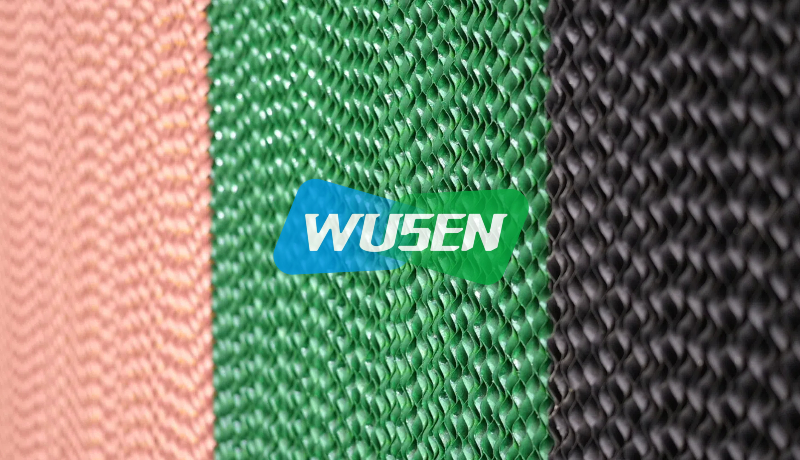
Farm building evaporative cooling pad
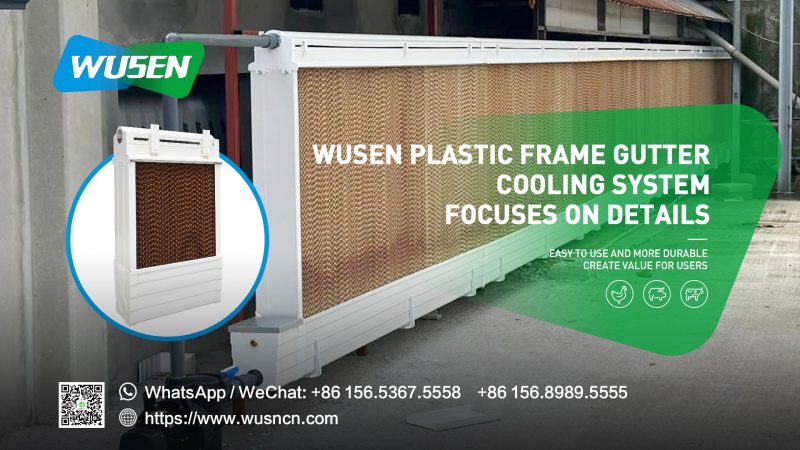
In-depth understanding of the working principle, advantages, selection, and maintenance techniques of evaporative cooling pads.
As a core component of evaporative air conditioners, the performance of the evaporative cooling pad directly determines the cooling effect and efficiency of the equipment.
I. What is an evaporative cooling pad? How does it work?
An evaporative cooling pad, also known as a wet curtain or water curtain, is the core cooling element of an evaporative air conditioner (commonly known as a “water-cooled air conditioner” or “eco-friendly air conditioner”). It is usually made of special plant fiber paper or polymer materials, with a honeycomb-like multi-layered corrugated structure. This design aims to maximize its surface area and water absorption capacity.
The working principle is based on a simple natural physical phenomenon—water evaporation absorbs heat.
Water absorption: A water pump continuously delivers water to the top of the cooling pad, making it evenly wetted.
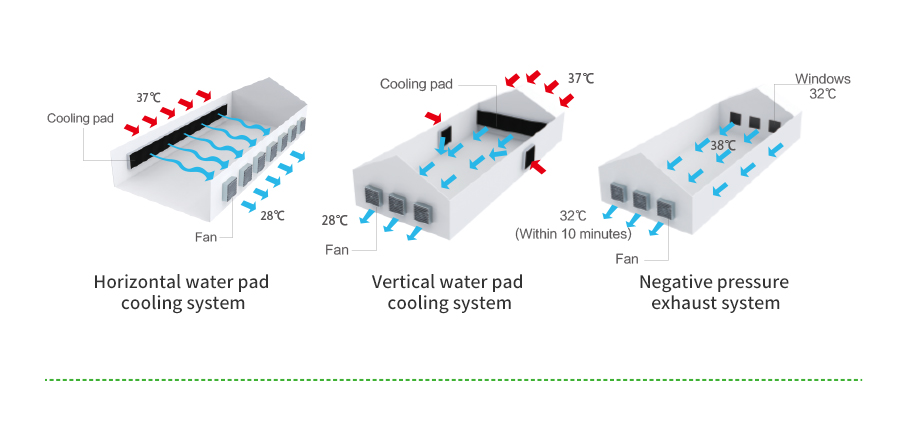
Ventilation: A powerful fan draws in hot outdoor air and forces it through the wet, porous cooling pad.
Heat exchange: When hot air comes into contact with the water film, the water evaporates rapidly, absorbing a large amount of heat from the air.
Cooling and Air Supply: Fresh, cool air, cooled and humidified, is delivered into the room while expelling stuffy, hot air, achieving ventilation and cooling.
The entire process does not require the refrigerant (Freon) used in traditional air conditioners; significant cooling is achieved solely through water evaporation, with a temperature difference of 5-15 degrees Celsius.
II. How to Choose a High-Quality Evaporative Cooling Pad?
Not all cooling pads are created equal. Please pay attention to the following points when choosing:
Material:
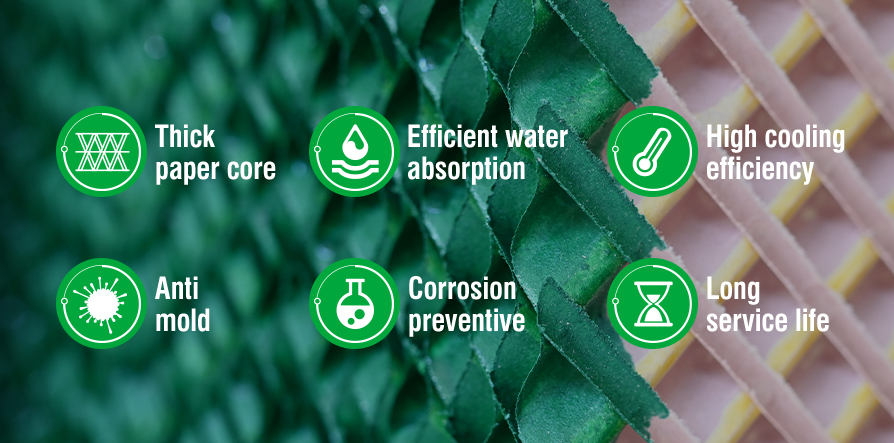
Premium Pulp Pad:The industry gold standard, with excellent water absorption, corrosion resistance, and lifespan, resulting in high cooling efficiency.
Polymer Composite Material Pad: Usually gray, more durable, easy to clean, reusable multiple times, and with a longer lifespan.
Thickness:
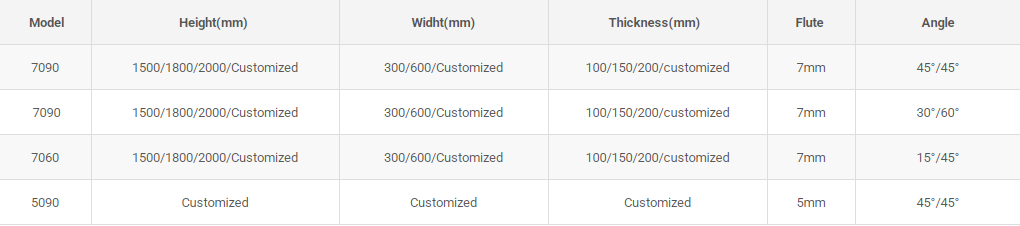
100mm Thickness: Standard choice, suitable for most climate conditions.
155mm or Thicker: Provides a larger heat exchange area, suitable for hot, dry areas, with superior cooling performance.
Corrugation Angle: Different design angles, such as 45° and 30°, affect the efficiency of air-water contact and wind resistance. High-quality products optimize these angles to achieve the best balance.
III. Daily Maintenance and Cleaning Guidelines for Evaporative Cooling Pads
Proper maintenance is key to keeping the cooling pad operating efficiently and extending its lifespan.
Regular Cleaning (Recommended 1-2 times per quarter): After turning off the power, remove the cooling pad and gently rinse it with a soft brush and a low-pressure water gun to remove surface dust, algae, and mineral deposits.
Water Tank Cleaning: Regularly empty and clean the bottom water tank to prevent dirt buildup and bacterial growth.
Seasonal Maintenance: After summer, thoroughly clean the cooling pad and water tank system, allowing them to dry completely before storage. For removable pads, it is best to remove them and store them separately.
Use Clean Water: Use tap water or purified water whenever possible. Minerals in hard water can clog the pad’s pores, affecting water absorption and evaporation efficiency. In hard water areas, consider using a water treatment device or regularly descaling with a mild detergent (such as a white vinegar solution).
IV. Frequently Asked Questions (FAQ)
Q1: Under what climatic conditions does the evaporative cooling pad work best?
A: It works most effectively in hot, dry climates (such as northern and northwestern my country). In humid coastal areas, where the air is nearly saturated with moisture, evaporation efficiency decreases, affecting cooling performance.
Q2: How often should the cooling pad be replaced?
A: This depends on water quality, usage frequency, and maintenance. Under normal maintenance, a high-quality pulp pad can typically last 1-3 cooling seasons, while a plastic cooling pad can last over 10 years. Replace it when it shows significant deformation, severe scaling, inability to saturate, or a substantial decrease in cooling effect.
Q3: Will it make the room very humid?
A: In dry environments, increased humidity can make people feel more comfortable. However, in already humid weather, prolonged use is not recommended, or it can be used in conjunction with a ventilation fan to avoid excessive humidity.