Best Evaporative Cooling Pads
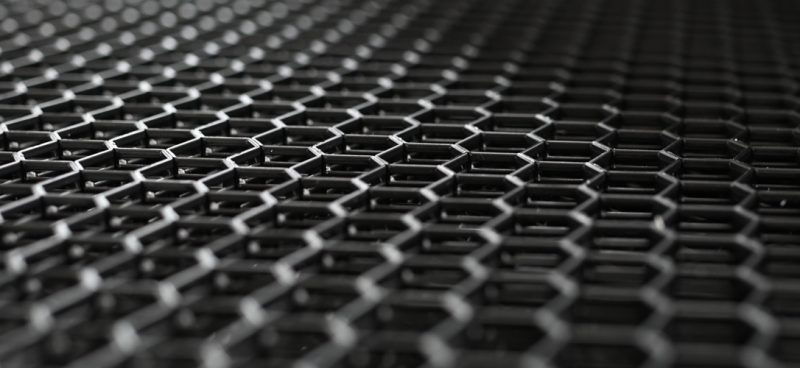
Plastic cooling pads, manufactured via polypropylene (PP) injection molding, leverage materials science to combat physical wear and tear. Their honeycomb structure features larger apertures than those of paper-based pads, and their smooth, non-absorbent surfaces prevent dust, debris, and minerals from becoming firmly embedded—a common issue with the fibrous structure of paper pads. While paper pads can become clogged with mineral scale, leading to increased airflow resistance and wasted energy consumption by fans, plastic pads can be easily restored to a pristine state using a high-pressure water sprayer. Their robust structure remains intact, unlike paper pads, which would disintegrate under such cleaning.
Formulated with UV-resistant and anti-corrosive additives, high-quality PP cooling pads can last for over a decade, even in extreme climates. In contrast, industrial-grade paper pads often require replacement every one to three cooling seasons, especially in environments characterized by high dust levels or hard water. Although the initial purchase price of plastic pads is higher, they eliminate the recurring costs—both in labor and materials—associated with annual removal, installation, and replacement. In settings such as greenhouses located on the fringes of deserts or high-dust environments like metal-casting workshops, this “maintenance-free” characteristic directly translates into enhanced productivity.